
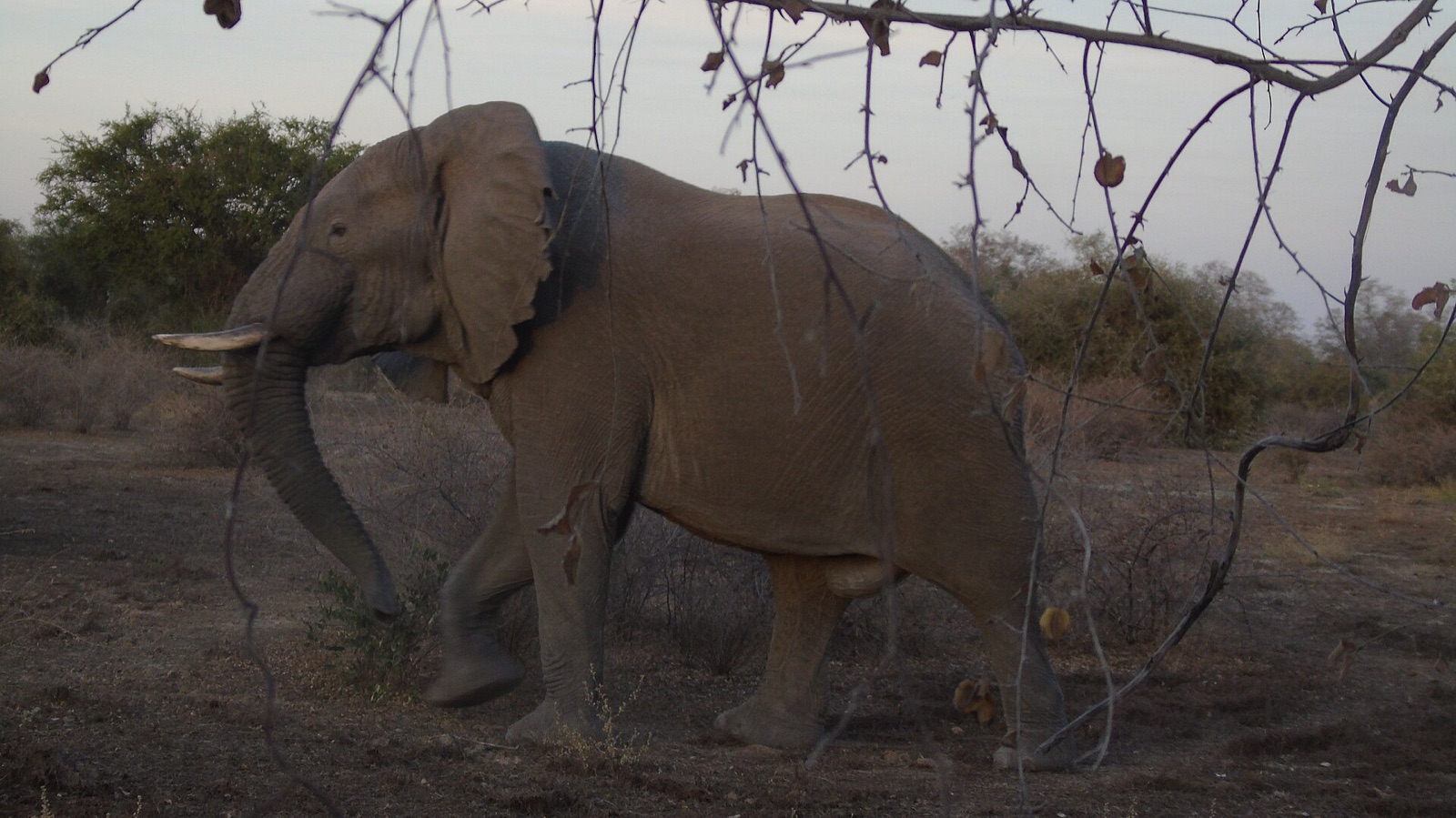
Zakouma National Park · Chad
The range they remember.
Kept by African Parks — who run wild places across Africa, each with its own stories and places to stay.
Stay at Zakouma — Tinga CampZakouma's elephant herd is up 40% since the poaching stopped — growing for the first time in over a decade.Source: African Parks, managing partner since 2010
Join the dry-season count →Drag to turn it yourself — it keeps a real place in frame.
Say the word. We'll drift to a few real places built around it — no quiz, no score, just a look.
Zakouma National Park · Chad
Kept by African Parks — who run wild places across Africa, each with its own stories and places to stay.
Stay at Zakouma — Tinga CampEvery comeback on this atlas has the same missing middle: somebody stayed, or somebody came back. Meet them one at a time.
Patrols water that was dynamite-fished a generation ago — about a thousand patrols a year, run by a crew of eighteen.
18 rangers · ~1,000 patrols/yr · Misool Foundation Travel with them →Pooled the family land with the neighbours and leased it — so the migration's doorway stays open and the land pays without being fenced.
one of 17,304 landowners · 207,586 ha · Maasai Mara Wildlife Conservancies Association Travel with them → See all 17,304 parcels — the year, animated →Documents the jaguars, ocelots and forest on the family plot — indigenous-led monitoring that turns standing forest into income.
indigenous-led · 4 projects documented · Savimbo Travel with them →Patrols the herd that was nearly erased. The elephants are up 40% since the poaching stopped.
~60 rangers on patrol, GPS & radio equipped · African Parks Travel with them →Runs a floating lodge built so the forest never had to move — in the largest intact temperate rainforest left on Earth.
family-run · Great Bear Rainforest · Nimmo Bay Wilderness Resort Travel with them →Walks travelers through old ranchland where the fences came down — and the guanacos and pumas simply walked back in.
6,000 ha protected in perpetuity · Explora Travel with them →Every recovery figure on this page is made of shifts walked by real people. Here they are, counted — one mark at a time.
That patrol rhythm is what fish biomass +248% is made of. Bed-nights pay for it.Source: Misool Foundation — 18 rangers, ~1,000 patrols a year
Fund a patrol by sleeping nearby →The herd is growing for the first time in over a decade because these shifts get walked. Park nights fund them.Source: African Parks — Zakouma ranger corps, visitor-funded
Join the dry-season count →The migration corridor stays open lease by lease, family by family. Conservancy stays pay the leases.Source: Maasai Mara Wildlife Conservancies Association — 207,586 ha, 17,304 landowners
Stay in the conservancies →Every night booked is a shift funded. Here is the exchange, drawn.
Sources: Misool Foundation; African Parks; Maasai Mara Wildlife Conservancies Association.
Getting there without wrecking the point — the flight leg, faced honestly.
Three ways in — by place, by cause, or by who needs the visit most. Or spin the globe and let it choose for you.
Already know where you're going? Search the field journal →
Every operator in it earned the page. Checked against public certification registries and documented programs before publication — if we couldn't verify the work, it isn't here.